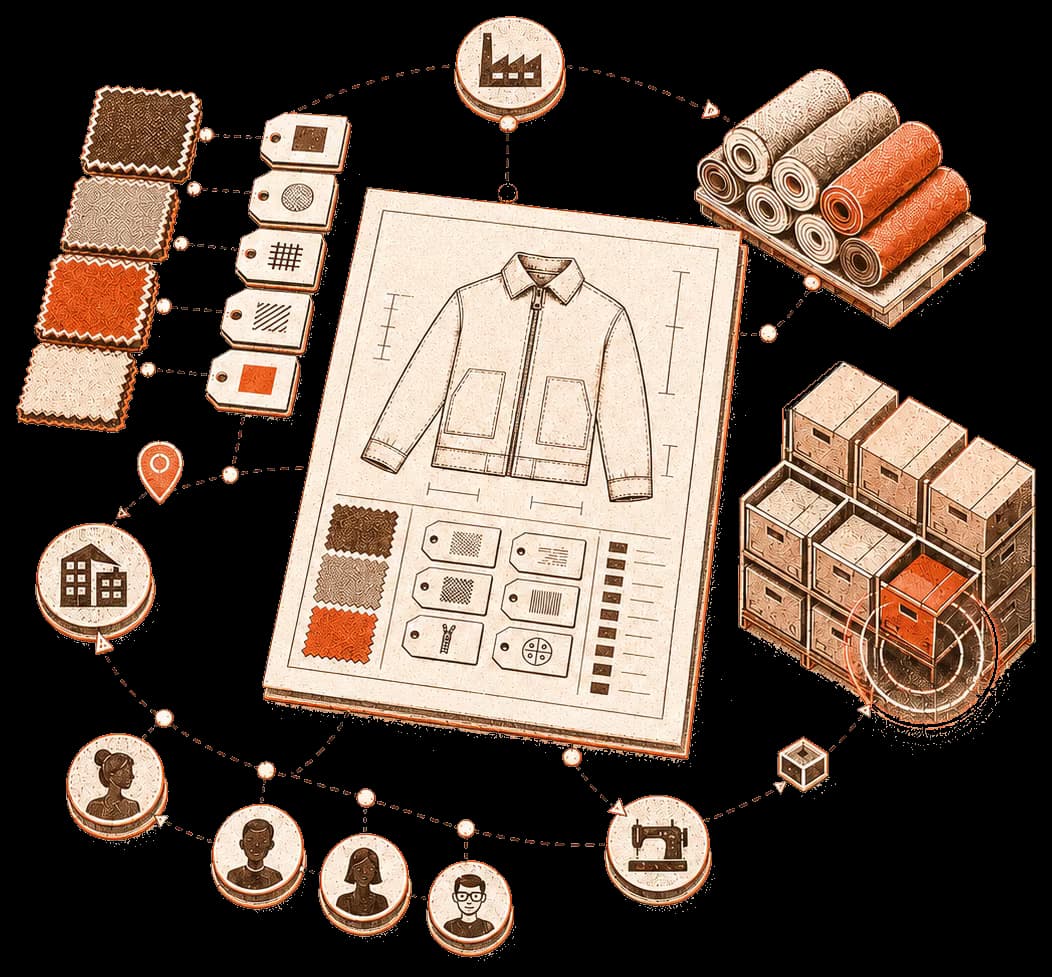
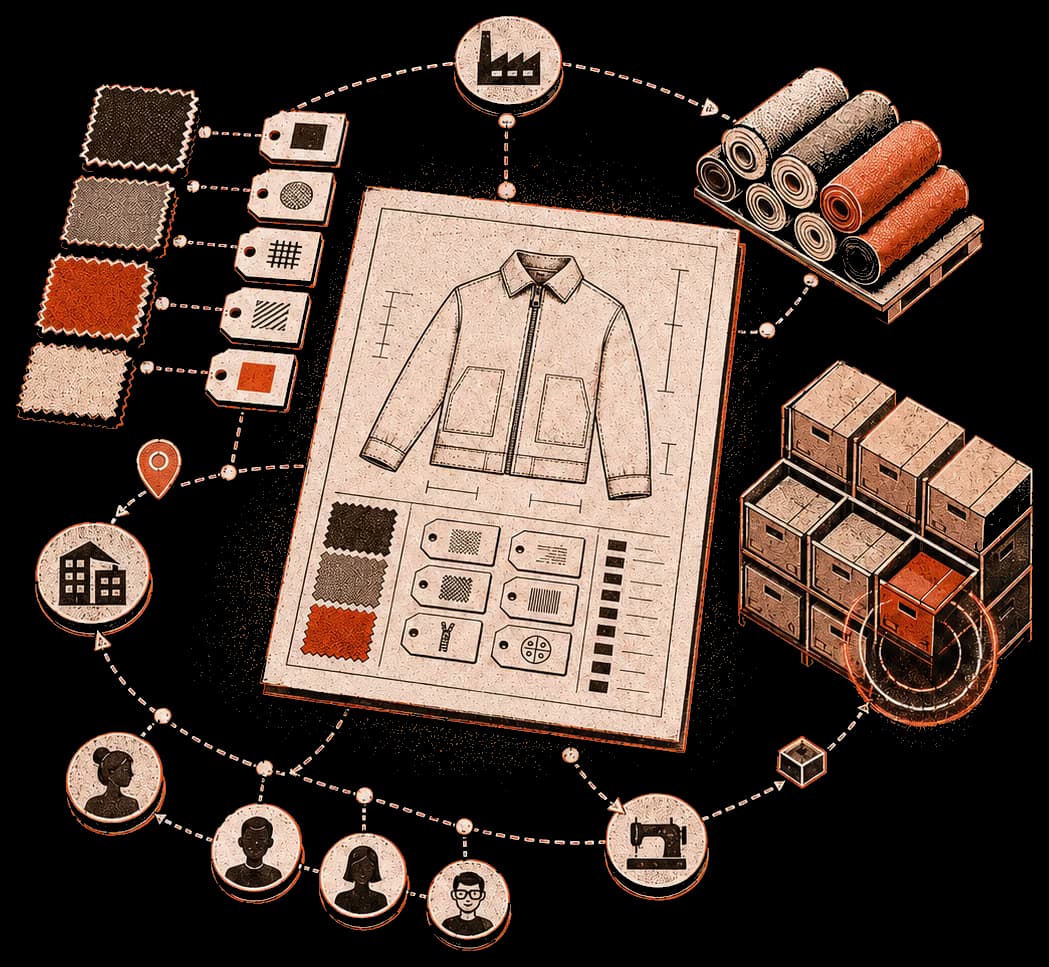
TrueSpec consolidated raw material order visibility into a shared lifecycle workflow. The system surfaced timeline changes, vendor price shifts, missing or extra orders, and warehouse utilization risks so planning teams could act before small discrepancies became production blockers.
The Coordination Problem
Raw material planning creates risk when order status lives across scattered documents, vendors, and stakeholder updates. Missing orders, extra orders, timeline changes, and pricing shifts can become expensive if they are noticed too late — often only when a line is already waiting on material.
The system's role was to bring those signals into a single operational view and make anomalies easier to detect before they turned into production blockers.
Approach
The core is a shared lifecycle model for each order: where it should be, what changed, who needs to know. Once orders are consolidated against that model, the system can flag anomalies automatically — a vendor price that moved outside the expected band, an order that is missing or duplicated, a timeline that slipped, or warehouse utilization trending toward a risk threshold. Stakeholder-facing status views were built on top of the same model so planning, procurement, and warehouse teams reason from one source of truth instead of reconciling spreadsheets.
What I Worked On
- Built lifecycle monitoring and anomaly detection for raw material planning.
- Consolidated stakeholder-facing order status and operational risk signals.
- Detected vendor price shifts, missing or extra orders, and warehouse utilization risks.
Outcome and Durable Shape
The strongest shape was a shared lifecycle model. Once the system knew where an order should be, what changed, and who needed the update, the interface could focus on judgment instead of manual reconciliation.